Members Area
2025 deliverables
In 2025 you will have access to the following materials, they are Reference Guides, Field Guides, Software, Online Test Reports and finally Training materials" for this “Thank you for being part of the EPRI Latin America Collaborative Project. We’re pleased to share materials with you based on your membership level. At EPRI we look forward to keep developing and make more valuable research to you and your organization.
Tier 1 - Membership
Thank you for being part of the EPRI Latin America Collaborative Project. We’re pleased to share materials with you based on your membership level. At EPRI, we look forward to continuing to develop and deliver valuable research to support you and your organization. As a research institution, we also strive to share insights into emerging technologies that may be relevant to your work.
With that in mind, we are pleased to share a short video on Distributed Fiber Sensing.
Guides Books
Transmission Asset Management Guidebook
This report presents the results of efforts to develop and update guides for helping power delivery organizations adapt and implement best practice asset management. Although proven and in wide use in the power generation sector, effective asset management processes have not been as widely applied in power delivery due to a host of challenges.
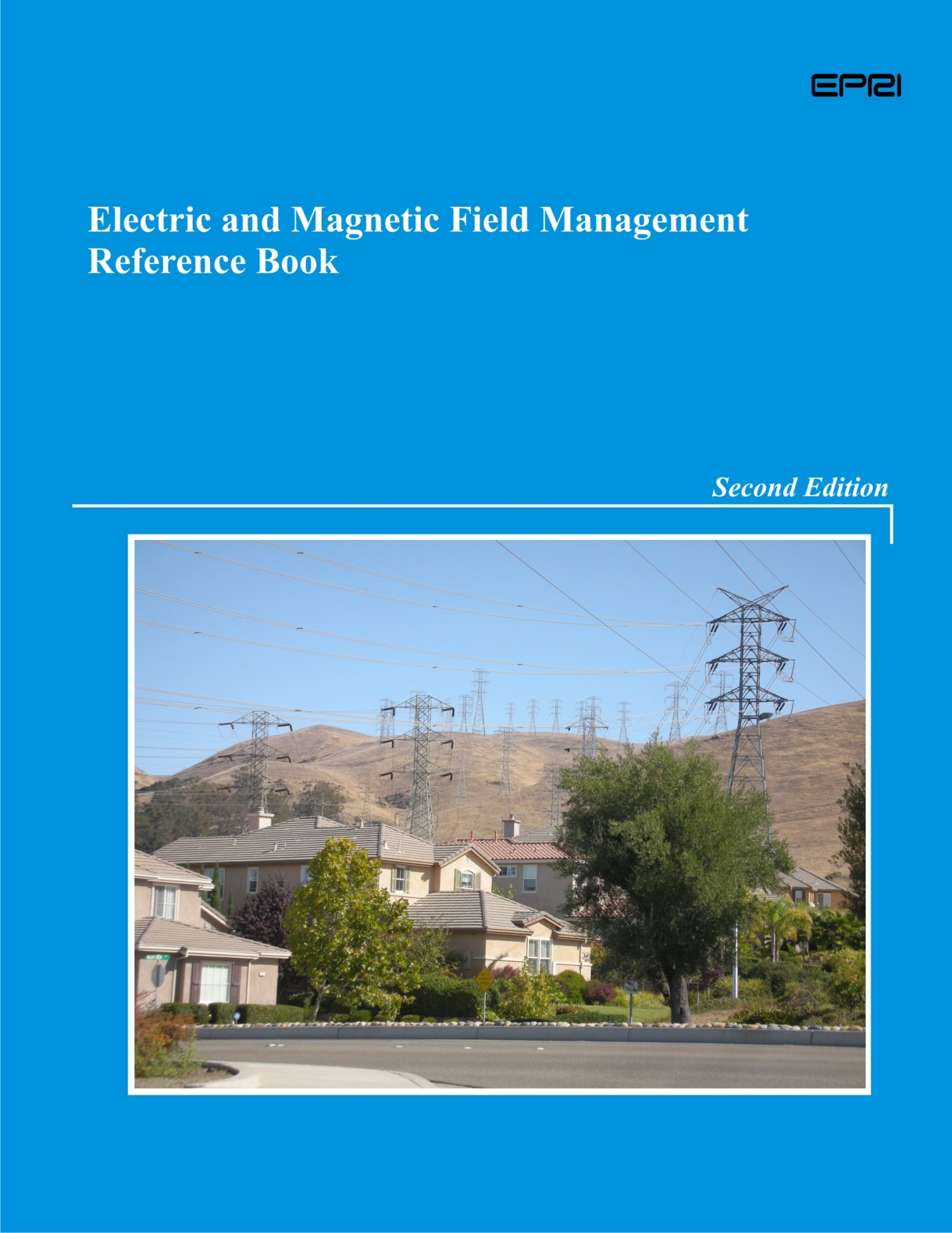
Electric and Magnetic Field Management Reference Book: Second Edition
This report triggered research efforts to address the concerns of exposure to power-frequency (50/60 Hz) electric and magnetic fields (EMF) which surfaced in the 1960s with the introduction of Extra High Voltage (EHV) transmission systems in the US and the consequential high electric fields. Research continues on outstanding issues, albeit in a reduced scope. EPRI retains one of the few remaining active EMF research programs.
Circuit Breaker Guidebook Development
EPRI is developing the Circuit Breaker Guidebook as a state of the art and best practices guide to power circuit breaker operation, condition monitoring and diagnostics, and maintenance. Ultimately, the Guidebook will provide utilities with a resource for circuit
breakers similar in scope to EPRI’s Copper Book for transformers. The report presents the multiyear development approach, a proposed table of contents, drafts of eight initial technical chapters, and the status of ongoing development
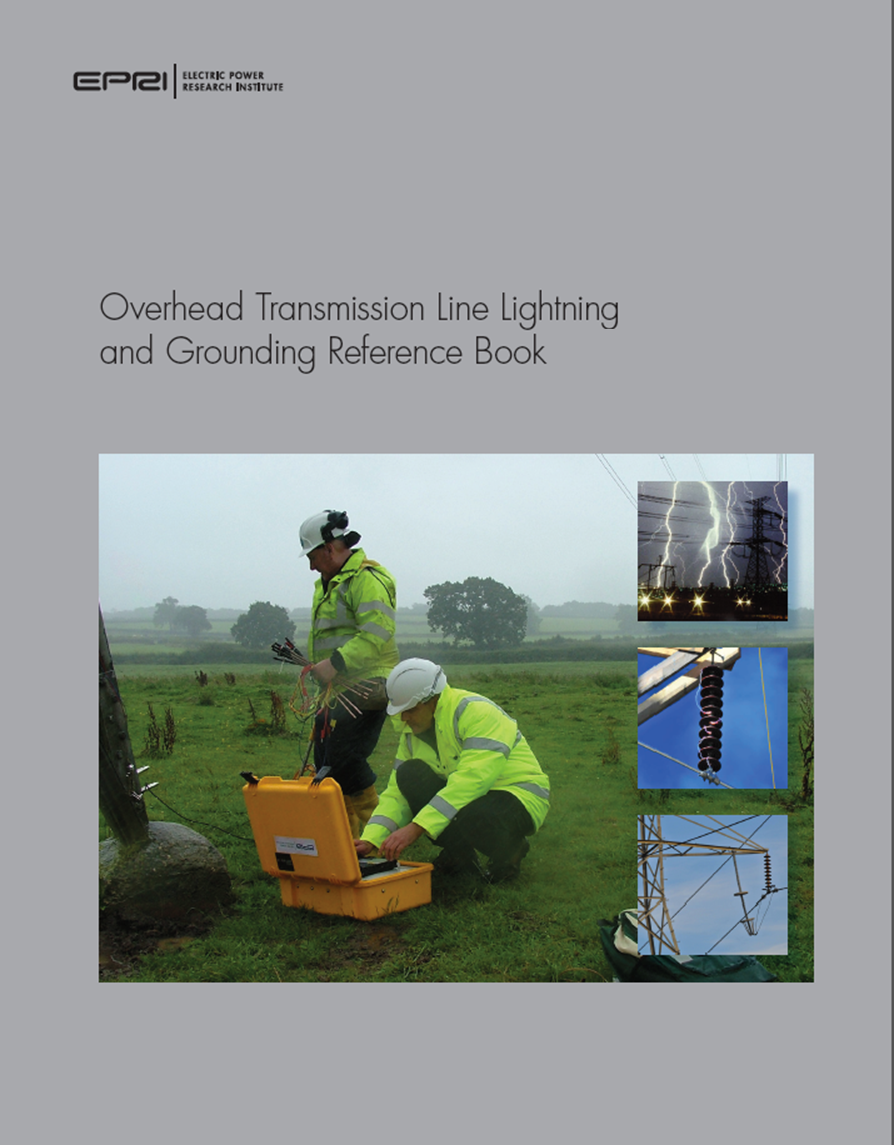
Overhead Transmission Line Lightning and Grounding Reference
The lightning performance of transmission lines may be improved by applying overhead ground wires, providing a low-impedance connection to ground, and selecting appropriate insulation levels for the phase conductors.
High-Voltage Direct Current Overhead Line Design Guide - HVDC
This report has been prepared in stages and presents topics unique to HVDC systems. Each year, at least one topic detailing various aspects of HVDC line and component designs has been added to the report. The ultimate goal of the research project is to produce a comprehensive report to assist EPRI-member utilities in the design of HVDC overhead lines.
High-Voltage Direct Current Overhead Line Design Guide - DC Detectors
This report has been prepared in stages and presents topics unique to HVDC systems. Each year, at least one topic detailing various aspects of HVDC line and component designs has been added to the report. The ultimate goal of the research project is to produce a comprehensive report to assist EPRI-member utilities in the design of HVDC overhead lines. In 2020 the section (Section 8) on live line working was updated. In 2021 a new section on the maintenance practices of HVDC lines was added to the document highlighting various strategies of maintenance and different aspects exclusively related to HVDC.
Tier 2 & 3 - Membership
Thank you for being part of the EPRI Latin America Collaborative Project. We’re pleased to share materials with you based on your membership level. At EPRI, we look forward to continuing to develop and deliver valuable research to support you and your organization. As a research institution, we also strive to share insights into emerging technologies that may be relevant to your work.
With that in mind, we are pleased to share a short video on Distributed Fiber Sensing.
Guides Books
Transmission Asset Management Guidebook
This report presents the results of efforts to develop and update guides for helping power delivery organizations adapt and implement best practice asset management. Although proven and in wide use in the power generation sector, effective asset management processes have not been as widely applied in power delivery due to a host of challenges.
Electric and Magnetic Field Management Reference Book: Second Edition
This report triggered research efforts to address the concerns of exposure to power-frequency (50/60 Hz) electric and magnetic fields (EMF) which surfaced in the 1960s with the introduction of Extra High Voltage (EHV) transmission systems in the US and the consequential high electric fields. Research continues on outstanding issues, albeit in a reduced scope. EPRI retains one of the few remaining active EMF research programs.
Circuit Breaker Guidebook Development
EPRI is developing the Circuit Breaker Guidebook as a state of the art and best practices guide to power circuit breaker operation, condition monitoring and diagnostics, and maintenance. Ultimately, the Guidebook will provide utilities with a resource for circuit
breakers similar in scope to EPRI’s Copper Book for transformers. The report presents the multiyear development approach, a proposed table of contents, drafts of eight initial technical chapters, and the status of ongoing development
Overhead Transmission Line Lightning and Grounding Reference
The lightning performance of transmission lines may be improved by applying overhead ground wires, providing a low-impedance connection to ground, and selecting appropriate insulation levels for the phase conductors.
High-Voltage Direct Current Overhead Line Design Guide - HVDC
This report has been prepared in stages and presents topics unique to HVDC systems. Each year, at least one topic detailing various aspects of HVDC line and component designs has been added to the report. The ultimate goal of the research project is to produce a comprehensive report to assist EPRI-member utilities in the design of HVDC overhead lines.
High-Voltage Direct Current Overhead Line Design Guide - DC Detectors
This report has been prepared in stages and presents topics unique to HVDC systems. Each year, at least one topic detailing various aspects of HVDC line and component designs has been added to the report. The ultimate goal of the research project is to produce a comprehensive report to assist EPRI-member utilities in the design of HVDC overhead lines. In 2020 the section (Section 8) on live line working was updated. In 2021 a new section on the maintenance practices of HVDC lines was added to the document highlighting various strategies of maintenance and different aspects exclusively related to HVDC.
Electric and Magnetic Field Management Reference Book: Second Edition
This report triggered research efforts to address the concerns of exposure to power-frequency (50/60 Hz) electric and magnetic fields (EMF) which surfaced in the 1960s with the introduction of Extra High Voltage (EHV) transmission systems in the US and the consequential high electric fields. Research continues on outstanding issues, albeit in a reduced scope. EPRI retains one of the few remaining active EMF research programs.
Circuit Breaker Guidebook Development
EPRI is developing the Circuit Breaker Guidebook as a state of the art and best practices guide to power circuit breaker operation, condition monitoring and diagnostics, and maintenance. Ultimately, the Guidebook will provide utilities with a resource for circuit
breakers similar in scope to EPRI’s Copper Book for transformers. The report presents the multiyear development approach, a proposed table of contents, drafts of eight initial technical chapters, and the status of ongoing development
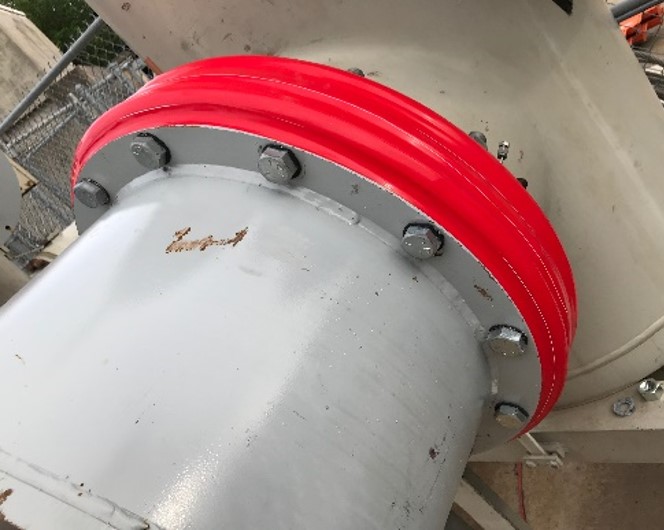
Novel SF6 Leak Sealing Techniques
Evaluates sealing materials and develops repair techniques for circuit breaker (CB) and gas insulated substations (GIS) that are:
-
Easy to apply, remove and reapply by utility personnel
-
Do not require specialized tools or clamps
-
Do not require de-pressurization
Power Transformer Expert System (PTX) Software Application Guide
EPRI’s Power Transformer Expert System (PTX) software tool helps utilities better diagnose and assess the condition of power transformers utilizing a variety of inputs, including dissolved gas analysis. The tool has been widely and successfully applied at many utilities and others are in the process of incorporating PTX into their fleet management or considering doing so. Regardless of PTX’s successfully track record, there is an understandable desire among member utilities and prospective users to better understand the underlying theory and methodologies embedded in the PTX algorithms and their application. This document has been developed to meet that need.
Advances in Circuit Breaker Diagnostic Efficacy & Online Monitoring Efficacy Assessment
This report presents the initial results of an EPRI investigation into the attributes and capabilities of six commercially available high voltage SF6 circuit breaker online monitoring systems. Source material for this investigation was limited to the monitor suppliers’ publicly available technical literature and brochures. Consequently, the kind of information and level of details provided vary among the different monitors. Monitor testing was outside the scope of this work. Findings from this research can help utilities make more informed decisions about selecting, purchasing and implementing online monitoring systems to support enhanced circuit breaker maintenance and fleet management.
Circuit Breaker Online Monitoring Efficacy Assessment
This report documents research to assess the accuracy of a commercial circuit breaker monitor relative to breaker operating performance parameters derived from other sources. It presents the methodology of assessing monitor accuracy and provides samples of the data that were collected and reviewed using a readily available breaker/monitor installation at the EPRI Lenox Laboratory.
Data Specifications for Asset Performance Analysis
The report provides a data requirements and specifications reference to facilitate data collection and sharing efforts and may also be used to inform stakeholders in utility departments responsible for data storage. Useful parameters and related examples or descriptions are presented. The analytics and methodologies that use these data are described in other EPRI reports.
Available Software
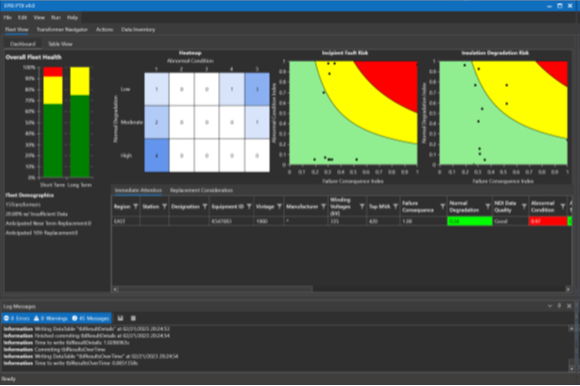
Power Transformer Expert System (PTX) v12.0
The PTX Transformer Fleet Management Software utilizes a Rule-Based MYCIN Expert System to assess the condition of a fleet of transformers using readily available condition and transformer description (nameplate) data. The end result is a series of indices for each transformer that provide insight into the condition of the cellulose insulation system and the potential for any abnormal incipient fault. These indices can be used to guide further diagnostic testing and maintenance actions for specific units, as well as guide overall fleet management decisions.
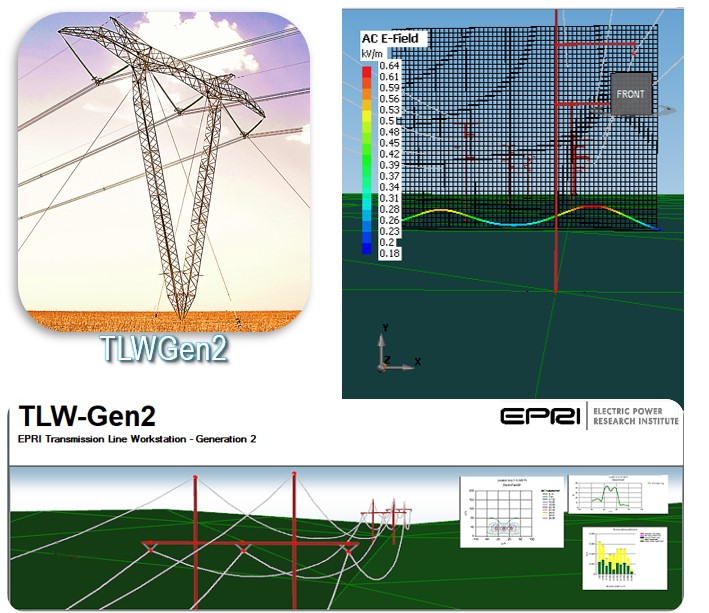
Transmission Line Workstation Generation 2 (TLW-Gen2) v13.0: Lightning Performance (TFlash) and Power Frequency Grounding Modules
Lightning is the leading cause of outages and service interruptions on transmission lines. Finding the most effective measures to improve the lighting performance of lines is not always straight forward. There are many options, such as shielding, grounding, insulation, and transmission line surge arresters to be considered to determine cost effectiveness. Some options may also impact other design aspects of the line. For example transmission line grounding influences both the lightning performance and the most effective ground electrode design depends on a variety of factors. The TFlash lightning performance software assists design and maintenance engineers understand lightning and grounding performance, and evaluate effectiveness of arresters and grounding design. The capabilities of the Fault Current Distribution software has been greatly improved in this version. It now allows for multiple circuits, insulated and transposed shield wires, and better control of substation sources and loads. This allows for better analysis of faults on complex real world line designs.
Transmission Line Workstation Generation 2 (TLW-Gen2) v13.0: HVDC Electrical Effects Module
Transmission managers, planners, designers, researchers, and engineers can use this software to help make decisions about whether HVDC/hybrid transmission is a viable option for their transmission needs. HVDC lines have different characteristics than AC transmission lines. These differences need to be addressed during the design and operation of the line. Corona from HVDC lines causes audible noise, EMI, ozone production, and spark discharges that are similar to HVAC lines, but the ejection of electric charge into space, called “space charge”, is unique to HVDC transmission lines. This space charge results in increased DC electric fields, the formation of charged ions and charged aerosols and enhanced human sensations. The space charge also results in dc ion currents to ground and other objects including distribution lines, other utility lines, electrical devices, as well as animals and people. This software provides the necessary tools to understand where such effects may or may not be an issue. The software may be used to optimize the design and operation of HVDC lines from the point of view of electrical effects, and can help with meeting regulatory and public acceptance of HVDC and hybrid transmission. Results can also be used to assess options for mitigation where needed.
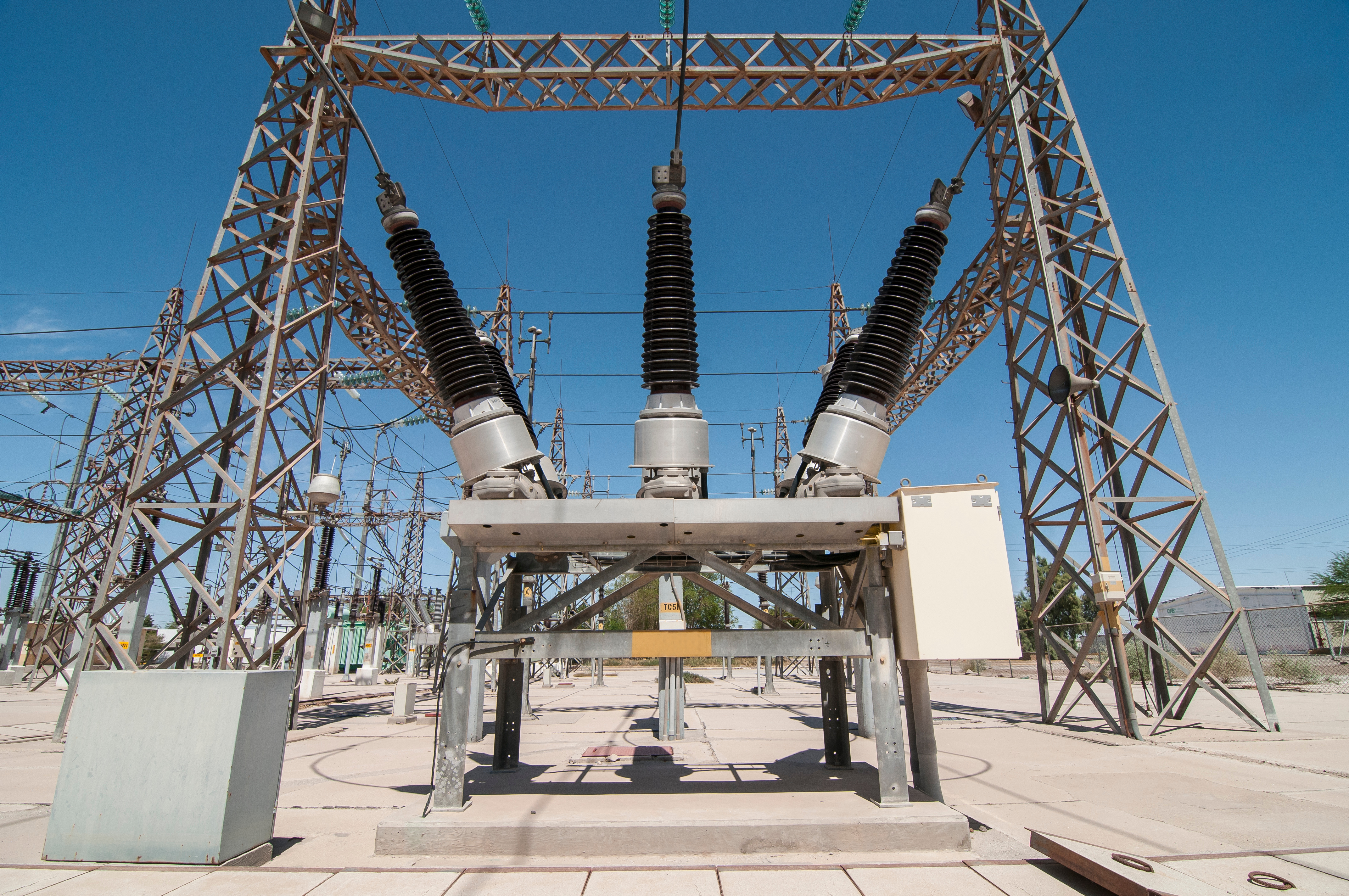
Circuit Breaker Risk Ranking (CBRR) v11.0
This tool calculates both a circuit breaker risk-based replacement ranking index and condition-based maintenance triggers. The risk-based rankings are calculated as a function of breaker condition, expected service duty and failure consequences. Breakers with higher ranking indicate higher risk exposure based on condition and potential failure consequences and hence are more likely candidates for maintenance. Breaker condition is evaluated separately for external, e.g. mechanism, and internal, e.g. contacts, components. Combined they provide a measure of the overall breaker condition that can be used to build a complete condition-based maintenance program. Individually they may be used to trigger external and internal maintenance based only on condition. The maintenance triggers and replacement rankings may be used in combination.